


Whenever there’s an accident involving a commercial truck, the liability is complicated. That’s because while accidents between personal vehicles just involve the parties operating them, tractor-trailer truck accidents involve many different entities, including corporations, insurance providers, and so on. Determining liability can be extremely difficult, which is one reason hiring a truck accident lawyer is so important. Imagine, then, how much more complicated the situation becomes when the accident involves multiple vehicles.
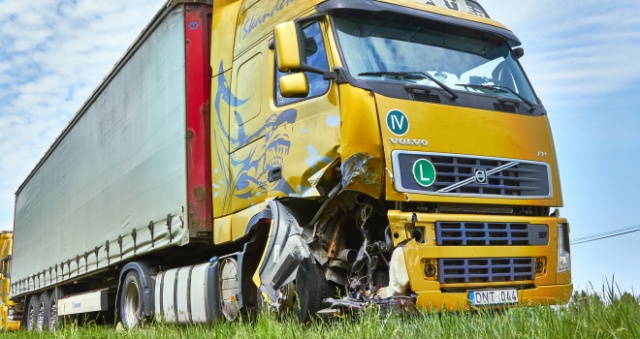
Who is Liable in Truck Accidents?
When an 18-wheeler is in an accident, it could be the driver’s fault. However, the driver is only the first in a long list of parties that may be responsible. A truck accident lawyer knows how to thoroughly assess the case and determine who is at fault, so that people injured in the accident can have the compensation they need and deserve. So, who is responsible?
- Truck drivers can cause accidents by driving recklessly or distracting, speeding, disobeying rule s of the road or government regulations, or driving under the influence.
- Trucking companies can be held responsible if they didn’t hire a qualified driver, administer the proper training, maintain safe working conditions, and follow the established safety protocols. Note: trucking companies sometimes try to identify drivers as independent contractors, to avoid liability, but this is unlikely to pass muster with the courts.
- Manufacturers are at fault when the accident is caused by a mechanical failure, like a blown tire, engine defect, or brake malfunctions, and in some cases a product liability claim is the best option.
- Cargo loaders are responsible for properly loading and securing cargo, to avoid rollovers or jackknife accidents, so if a cargo shift made the driver lose control of the vehicle, the company responsible for loading the truck may be at fault.
- Third-Party Maintenance Providers are often called upon to service a fleet, and if a truck in that fleet is in an accident because of improper maintenance or overlooked repair, the responsibility for the accident may fall on the maintenance company.
Determining Texas Truck Accident Fault
If you think that all of that sounds like an intricate puzzle to be solved, you’re not far off. To decide liability, several factors must be considered. Was someone negligent? This could be the driver, company, or someone else on the above list. Did the driver violate traffic laws, or did the driver or trucking company ignore state or federal trucking regulations? What was the condition of the truck when the accident happened? Was it properly maintained and in good working order? Did road conditions contribute to the accident? It’s also important to determine if another driver is partially to blame for the accident.
The Complications of a Multi-Car Crash
When multiple vehicles are involved, the accident becomes even more complex! In addition to the long list of possibly liable entities behind the truck, there are more drivers who may share responsibility. Liability in these cases is often based on negligence, and how it is determined depends on the type of accident that has occurred.
- Sometimes a driver causes a collision that ends up in a chain reaction. That driver is generally found at fault, even if other vehicles collide with each other.
- In Texas, fault is sometimes shared. In this state, a modified comparative negligence rule means that driver’s 50 percent or more at fault cannot recover damages, but if a driver is 50 percent or less at fault, the damages will be reduced by the percentage of fault. In court, the fault will be distributed based on the drivers’ level of negligence, and penalties will be determined. This happens in cases in which several drivers broke traffic rules and contributed to the accident.
- Determining liability is accomplished by insurance companies and legal experts. Through evidence and investigation, they look at evidence like police reports, traffic camera footage, witness statements, and accident reconstruction reports. If you are in an accident, it helps to provide as much evidence to your legal team as possible, to help make the picture of what happened clearer.
What to Do After a Multi-Car Truck Accident
In the aftermath of a huge accident like this, it’s easy to be overwhelmed, not quite knowing what to do. In truth, the steps to take are the same as after any accident. First, make sure you’re seen by a medical professional. Don’t reject the attention of the emergency personnel, because even if you think you’re not badly injured, minor injuries can get worse over time. Gather as much evidence as possible, including photographs of the scene and contact information from everyone involved in the accident. Of course, the accident needs to be reported to the police immediately, but before you contact your insurance company, consult a legal professional, to help you fight for the compensation you deserve.
When You Need Multi-Car Crash Legal Help, Call an Experienced Truck Accident Lawyer in Houston
Any time you are in an accident, you need the help of an experienced attorney. A complicated situation like a multi-car truck accident requires the attention of a caring, knowledgeable attorney well-versed in accidents involving commercial trucks. After an accident like that, contact the experienced professionals at Nava Law Group, P.C., to help you address the accident, meet your immediate needs, and get a settlement to help accomplish your long term goals. Passionate about our clients, we give 100 percent commitment, using our experience and legal skills to get the results injured victims need. With more than 150 years of combined experience, we have established our firm as a pillar of the community, earning a solid reputation in the community, in the courts, and among our peers. We offer aggressive advocacy and top-notch legal representation, and strive to always take the best approach for a favorable resolution on our client’s behalf. We’re a different type of law firm, and if you are interested in learning more about how we can assist you, contact Nava Law Group, P.C. today.
Richard Nava

Personal Injury Trial Attorney