

Dog bite injuries are more common than most people realize. According to the Centers for Disease Control and Prevention, approximately 4.5 million dog bites occur in the United States each year, with nearly 1 in 5 requiring medical attention. If you’ve been bitten by a dog in Houston, understanding how insurance companies evaluate these claims can help you secure fair dog bite injury compensation. The insurance process for dog bites is rarely straightforward. Adjusters scrutinize every detail before approving a settlement, and knowing what they are looking for can strengthen your claim from the start. Nava Law Group is here to help with dog bite claim evaluations. Contact us today for assistance.
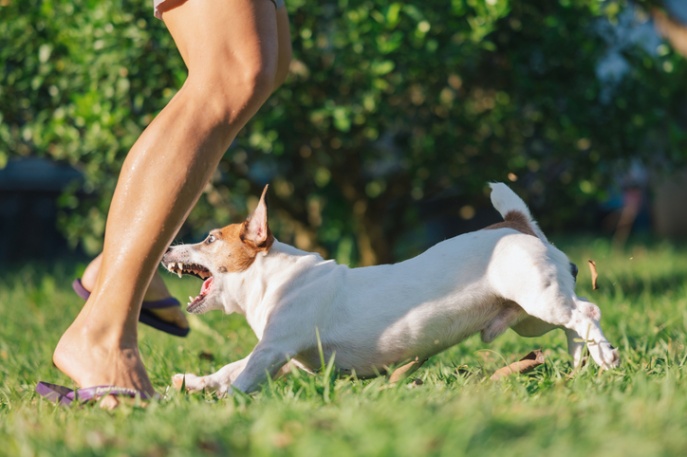
Why Dog Bite Claims Are More Complicated Than People Expect
Many victims assume filing a dog bite claim is simple: report the incident, submit medical bills, and receive compensation. Unfortunately, the reality is far more complex. Insurance companies treat dog bite claims with heightened scrutiny because they’re considered high-risk and often involve significant payouts. These claims can include emergency room visits, reconstructive surgery, ongoing therapy, and psychological trauma—all of which add up quickly. Liability disputes also complicate matters. Dog owners may deny responsibility, claim the victim provoked the animal, or argue they did not know the animal was aggressive. Texas law allows victims to pursue compensation through negligence or strict liability in certain circumstances, but proving liability in dog-bite injury claims requires solid evidence and legal expertise.
What Insurance Companies Look at During Dog Bite Claim Evaluations
When you file a dog bite claim, insurance adjusters conduct a thorough dog bite claim evaluation to determine whether they should pay—and how much. Their goal is to minimize payouts while protecting their client (the dog owner) from liability. Here’s what they typically examine:
- Medical records and treatment history: Adjusters review all medical documentation to verify the extent of your injuries. They’ll look at emergency room reports, doctors’ notes, prescriptions, and follow-up appointments.
- Incident reports and witness statements: Police reports, animal control records, and eyewitness accounts help establish what happened and who was at fault.
- Dog’s history and owner’s knowledge: If the dog has bitten before or shown aggressive tendencies, this strengthens your claim. Texas follows a “one bite rule” in some cases, meaning owners may be liable if they knew their dog posed a danger.
- Property and location details: Where the attack occurred matters. If you were lawfully on the owner’s property or in a public space, your claim is more substantial than if you were trespassing.
Key Dog Bite Settlement Factors Used by Insurance Adjusters
Several dog bite settlement factors directly influence the compensation you receive. Insurance adjusters weigh these carefully when calculating offers:
- Severity of injuries: Deep lacerations, nerve damage, scarring, and disfigurement typically result in higher settlements than minor puncture wounds.
- Medical expenses: Current and future medical costs—including surgeries, physical therapy, and mental health counseling—are factored into your settlement.
- Lost wages and earning capacity: If your injuries prevented you from working or impacted your ability to earn income long-term, you’re entitled to compensation for those losses.
- Pain and suffering: Physical pain, emotional distress, and reduced quality of life are more subjective but still compensable under Texas law.
- Comparative negligence: If the adjuster believes you partially caused the incident (for example, by provoking the dog), they may reduce your settlement accordingly.
How Insurance Companies Assess a Dog Attack Injury
The dog attack injury assessment process begins the moment you file your claim. Adjusters use a combination of medical evidence, investigative findings, and legal precedents to determine the claim’s value. They’ll request detailed medical records to confirm diagnoses and treatment plans. They may also send investigators to interview witnesses, photograph the scene, or review available surveillance footage. Adjusters often use software programs that assign monetary values to specific injuries based on industry data. However, these calculations rarely account for the full impact of your suffering, which is why having an experienced attorney advocate on your behalf is crucial.
Proving Liability in Dog Bite Injury Claims
Successfully proving liability in dog bite injury claims requires demonstrating that the dog owner was negligent or that strict liability applies under Texas law. You’ll need to show:
- The dog owner knew or should have known their dog was dangerous
- The owner failed to restrain or control the animal properly
- You were lawfully present where the attack occurred
- The dog’s actions directly caused your injuries
Factors That Reduce or Delay Dog Bite Compensation
Specific issues can reduce your settlement amount or delay the claims process:
- Delayed medical treatment: Waiting too long to seek care gives adjusters reason to question the severity of your injuries.
- Inconsistent statements: Contradictions between your account and witness testimony can weaken your credibility.
- Pre-existing conditions: Adjusters may argue that some of your injuries existed before the attack.
- Lack of documentation: Without thorough records, it’s difficult to prove the extent of your damage.
Frequently Asked Questions
We understand your concerns, which is why we’ve provided a list of commonly asked questions we receive. If you need further assistance, contact us today.
- How long does a dog bite claim take to settle? Settlement timelines vary based on case complexity. Severe injuries or disputed liability can extend this timeline.
- What if the dog owner doesn’t have insurance? You may still recover compensation through the owner’s personal assets or your own insurance policy if it includes medical payments coverage.
- Can I sue if the dog bite happened on someone else’s property? Yes. Property owners and landlords can be held liable if they knew about a dangerous dog and failed to take precautions.
- Will the dog be put down after a bite incident? That depends on local ordinances, the dog’s history, and the severity of the attack. Your claim focuses on securing compensation, not determining the dog’s fate.
- Do I need a lawyer for a dog bite claim? While not legally required, hiring an experienced attorney significantly increases your chances of receiving fair compensation and navigating the complex insurance process for dog bites.
Get the Compensation You Deserve
Navigating the insurance process for dog bites can feel overwhelming, especially when you’re recovering from painful injuries. Insurance companies have teams of adjusters working to minimize payouts—you deserve someone fighting just as hard for you. At Nava Law Group, we understand how insurance companies conduct dog-bite claim evaluations and know how to counter their tactics. Our Houston personal injury attorneys have helped countless dog bite victims secure maximum compensation for their injuries, lost wages, and suffering. Don’t let an insurance company undervalue your claim. Contact Nava Law Group today for a free consultation and take the first step toward justice and recovery.
Richard Nava

Personal Injury Trial Attorney