


Texas weather can be unpredictable. If you’re caught in a sudden downpour or dense fog, you’re more likely to get in a serious accident. These conditions may affect who’s responsible for a collision, making it crucial to understand what it takes to prove fault in weather accidents. With this knowledge, you’ll be better able to protect your rights and pursue fair compensation.
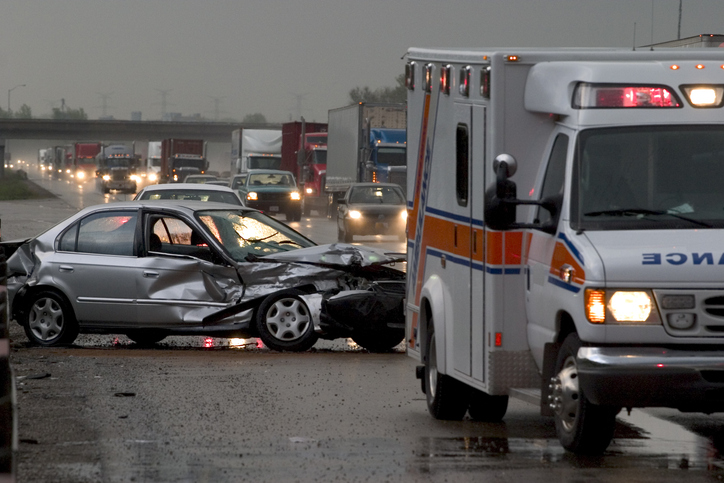
Common Texas Weather Conditions That Increase Accident Risk
A weather-related car accident occurs when environmental conditions contribute to a crash. The following weather patterns consistently make driving dangerous across Texas:
- Heavy rain and flooding: Rainy weather reduces visibility, and wet roads reduce tire traction. Drivers who fail to slow down and cause an accident may face rain accident liability in Texas.
- Fog: Vehicles traveling too fast in foggy weather often cause rear-end collisions due to reduced visibility and slower reaction times.
- High winds: Strong winds can push vehicles out of their lanes. Large commercial trucks and RVs face the highest risk. Debris on the roadway is another driving hazard of blustery Texas weather.
- Ice and freezing conditions: Although less common in Texas, icy roads are extremely hazardous. Bridges and overpasses freeze first, catching drivers off guard. Loss of traction at high speeds may trigger a chain of crashes.
- Severe storms and hurricanes: Storm-related car crash claims often involve multiple factors. Heavy rain, flooding, debris, and poor visibility combine during severe weather to create unpredictable driving conditions.
When Drivers Can Still Be Found at Fault
Texas drivers often assume bad weather excuses accidents, but that’s not the case. Just because a storm sets the stage for a crash doesn’t necessarily mean the driver is blameless.
The law expects motorists to adjust their behavior as conditions deteriorate. What constitutes safe driving on a clear day may be considered careless when the weather turns bad.
Texas also follows a modified comparative fault rule, meaning more than one person may share the blame. In many cases, proving fault in weather accidents calls for balancing external factors, such as weather, with driver decisions.
Here are some common behaviors that can make a driver at least partly responsible for an accident:
- Driving too fast: The speed limit applies to clear weather and dry roads. Drivers are expected to slow down during rain, fog, or icy conditions.
- Following too closely: Wet or icy roads increase stopping distance. Tailgating under these conditions is negligent and may result in a rear-end collision.
- Failure to use lights or signals: Drivers must use headlights and signals during storms or foggy weather to remain visible to others.
- Distracted driving: Bad weather demands your full attention. Using a phone or getting distracted in other ways increases the risk of an accident.
- Poor vehicle maintenance: Bald tires, worn brake pads, and old windshield wipers contribute to Texas bad weather accidents. Drivers are responsible for maintaining their vehicles so they’re safe to drive even in stormy weather.
Evidence Needed in Weather-Related Texas Accidents
Strong evidence supports a successful claim. Weather-related cases often require additional documentation to establish what happened and who’s to blame. Here’s what to gather and preserve as you build your case:
- Weather condition accident reports: Official reports document road conditions, visibility, and police observations for an objective account of the scene.
- Photos and videos: Images of stormy conditions and wet or icy roads strengthen your claim. Dashcam footage of the accident is especially valuable.
- Witness statements: Bystander accounts often clarify whether someone acted negligently in the lead-up to the crash.
- Weather data records: Historical weather data confirms what conditions were present at the time of the accident. This information supports dangerous weather crash claims with objective, time-specific evidence.
- Expert analysis: Accident reconstruction specialists can evaluate speed, braking, and impact angles in various road conditions to assist in proving fault.
Why You Need an Attorney
Texas bad weather accidents often involve disputes over fault. The responsible driver’s insurance company may argue that weather alone caused the crash, thereby reducing your payout. On the other hand, an insurer may downplay the role of the weather to put more of the blame on you.
That’s where a skilled car accident attorney steps in. This professional can evaluate all the evidence, including driver behavior and road conditions, to get the full picture. Legal representation strengthens your position when negotiating complex cases involving rain accident liability in Texas. It leaves you free to focus on recovering from your injury while the attorney communicates with insurers, gathers crucial documentation, and develops your case strategy.
Get Legal Support After a Weather-Related Crash
Dangerous weather complicates car crash claims, but strong legal guidance makes all the difference. Nava Law Group has over 150 years of combined experience serving Texas injury victims and their families. Our team has recovered over $1 billion in compensation for our clients, thanks to our aggressive, intelligent representation in and out of the courtroom. Contact us today for a free consultation at one of our offices in Houston, McAllen, Corpus Christi, or Allen, TX.
FAQs
Does bad weather automatically make an accident unavoidable?
No. Texas law requires drivers to adjust to road conditions. Courts evaluate whether a driver acted reasonably under the conditions, not simply the presence of bad weather.
Are multi-vehicle crashes more common in severe weather?
Yes. Reduced visibility and longer stopping distances often lead to chain-reaction collisions.
How does insurance handle a weather-related car accident claim?
Insurance companies review driver behavior under the weather conditions at the time of the accident. They may assign partial fault to multiple drivers based on their actions.
Can road conditions impact liability in addition to weather?
Yes. Poorly maintained roads, standing water, or debris may contribute to a crash. In some cases, a government entity or other third party may share responsibility.
How long do I have to file a claim after a weather-related accident in Texas?
The statute of limitations is generally two years from the date of the accident. Act quickly to preserve evidence and strengthen your case.
Richard Nava

Personal Injury Trial Attorney