



The Consequences of Distracted Driving in Houston, TX
Houston traffic is legendary for its congestion, but when you add smartphones to the mix, the 60 loop and I-45 transform from frustrating commutes into dangerous gauntlets. While most drivers know that looking at a phone behind the wheel is risky, many still underestimate the severe legal and financial repercussions that follow distracted driving in Houston.
Texas law has evolved to crack down on this behavior, and the consequences now go far beyond a simple slap on the wrist. Whether you’re a driver looking to understand the law or a victim seeking justice after an accident, understanding the landscape of distracted driving in Harris County is essential.
The Reality on Houston Roads
The texting and driving statistics paint a grim picture of driver attention in our area. According to data from the Texas Department of Transportation, distracted driving remains a persistent threat. In 2023 alone, Harris County reported more than 10,000 crashes in which distracted driving was a contributing factor.
These incidents resulted in 17 fatalities and 1,887 confirmed or suspected injuries. Thousands of lives were altered because a driver prioritized a notification over the safety of the road. While the statewide trend has seen slight improvements in some areas, the sheer volume of incidents in Houston underscores that drivers are still struggling to put away their phones.
Texas Laws Against Distracted Driving
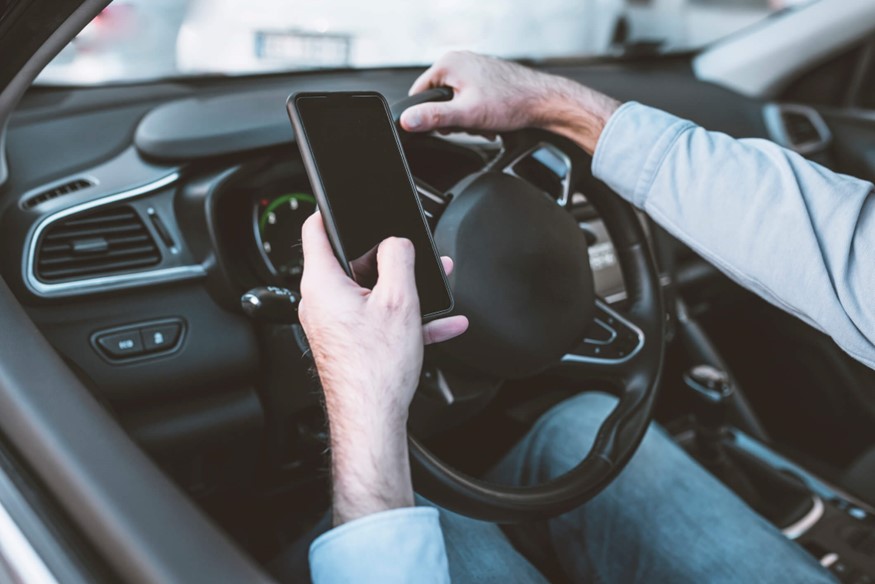
Since Sept. 1, 2017, Texas has enforced a statewide ban on texting while driving. Under the Texas Transportation Code, it’s a criminal offense to read, write, or send an electronic message while operating a motor vehicle unless the vehicle is stopped. This law applies to texting, emailing, instant messaging, and posting to social media.
If a police officer sees you typing on your phone while driving, you face immediate financial penalties. The first offense incurs a fine of between $25 and $99, while the fine for repeat offenses ranges from $100 to $200. However, the stakes rise exponentially if your distraction causes a tragedy. If a driver causes serious bodily injury or death while illegally using a handheld device, the offense is elevated to a Class A misdemeanor. This carries a fine of up to $4,000 and a potential jail term of up to one year.
Texas law is even more rigid regarding school zones. Using a mobile phone in a school crossing zone is prohibited entirely unless the vehicle is stopped or the device is used in hands-free mode. Cities like Houston strictly enforce this to protect children, meaning that simply holding your phone to your ear in a school zone can lead to a citation, regardless of whether you’re texting.
The Financial Effects of Distracted Driving
The cost of a ticket is often just the beginning. A conviction for texting and driving can wreak havoc on your finances long after the fine is paid. You may have to pay for:
- Higher Insurance Premiums – Insurance companies view distracted driving violations as a major risk indicator. A conviction for texting while driving typically triggers a significant spike in auto insurance premiums. Some providers may even categorize you as a high-risk driver, potentially leading to policy non-renewal.
- Civil Liability Costs – If you cause a crash while texting, you open yourself up to civil lawsuits. Victims have the right to sue for medical expenses, lost wages, and pain and suffering. In Texas, if a jury determines that texting while driving constitutes “gross negligence,” meaning the driver was consciously indifferent to the extreme risk they created, the plaintiff may also be awarded punitive damages.
Steps to Follow After a Distracted Driving Accident
If you’re injured by a driver you suspect was distracted, the actions you take immediately following the crash are vital for your health and any future legal claim. Here are the steps you should take:
- Prioritize Safety and Health – Call 911 immediately. Seek medical attention right away to create an official record of your physical condition.
- Gather On-Scene Evidence – If you saw the other driver looking down at their lap or holding a phone before impact, mention this to the responding police officer so it can be noted in the crash report.
- Document the Scene – Take photos of the vehicle damage, skid marks (or lack thereof, which often indicates a distracted driver didn’t brake), and the surrounding area.
- Avoid Social Media – Don’t post about the accident or your injuries online, as insurance adjusters often monitor social media to find evidence to devalue your claim.
Pursuing a Personal Injury Claim in Texas
Recovering damages from a distracted driver requires navigating complex car accident laws in Texas. Two legal concepts will heavily influence the outcome of your case:
- The Statute of Limitations – Time is not on your side. According to the Texas Civil Practice and Remedies Code, you generally have two years from the date of the accident to file a personal injury lawsuit. The court will likely dismiss your case if you miss this deadline and you’ll lose your right to seek compensation forever.
- Proportionate Responsibility – Texas follows a “modified comparative fault” rule, legally known as proportionate responsibility. This rule states that a claimant may not recover damages if their percentage of responsibility is greater than 50%.
Reclaim Your Life After a Distracted Driving Accident
The message from lawmakers and law enforcement is clear: no text is worth a life or a livelihood. The more than 10,000 crashes in Harris County last year serve as a stark reminder that the temptation to check a phone is a constant danger on our roads.
If you’ve been affected by a distracted driver, you have rights under Texas law. By understanding the statutes regarding negligence and liability, you can better navigate the aftermath of a crash and ensure that those who choose to ignore the safety of others are held accountable. Contact Nava Law Group today to schedule a free consultation with an experienced cell phone accident lawyer who can evaluate your claim and help you pursue compensation.